
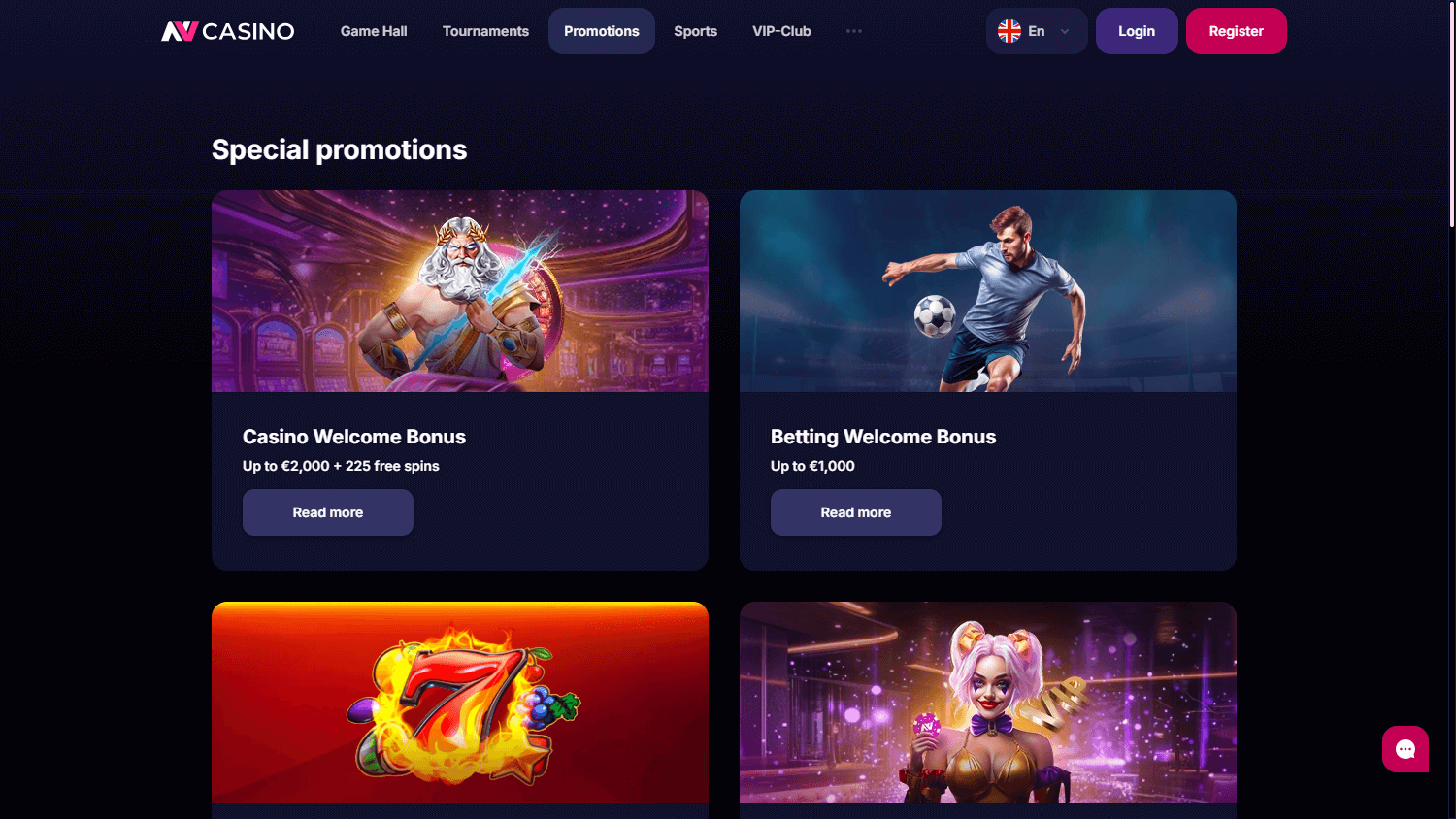
Instant banking has transformed how Danish players transfer money into casino accounts. Trustly and similar providers now handle deposits through MitID, the same national authentication system Danes utilize for banking and government services. Many players now expect the same speed they receive from MobilePay in daily life. This article weighs the benefits of real-time authentication and bank-grade security against the drawbacks, including withdrawal delays and restrictions that vary by bank. NV Casino officiel has monitored these shifts. The sections below explore the technical architecture, the psychology of faster deposits, and the trade-offs players rarely see. If you wish to enhance how you fund casino play, these details matter.
Comprehending the Real-time Banking Infrastructure
Immediate banking for casinos runs on APIs that link banks to gambling sites. The gateway validates the player’s login, verifies the account has enough money, and starts a payment that is irreversible. It generally completes in seconds. In Denmark, MitID is the authentication layer behind Trustly and similar services. The process uses an encrypted token instead of sharing your bank password or account details to the casino. The money departs the player’s account instantly, however the casino may not get settlement for hours. For the player, the experience is simple. Behind the scenes, the casino pays for the credit while the bank processes the payment. The operator provides playing credit based on the payment guarantee. PSD2 rules require two independent verification factors. The whole setup circumvents card networks, which lowers interchange fees and eliminates some points where things can break. It is a shift from older payment rails that were not designed for online gambling.
Evaluating Instant Banking to Other Payment Methods
Pit instant banking to cards and the trade-offs become evident. Visa and Mastercard include chargeback procedures for disputes. A bank transfer does not. If a glitch creates a double charge, card users have specific rights. Instant bank transfer users have to present their case directly with the casino or bank. Cards also work more reliably across borders. E-wallets such as Skrill and Neteller expedite deposit speeds and withdrawals, but they charge fees and apply currency conversion spreads. For play in Danish kroner, instant banking avoids those middleman costs. In that sense, instant banking is more affordable for kroner play than most e-wallets. Cryptocurrency offers pseudonymity and no central control, but the price can move during confirmation. A deposit worth 1,000 DKK at the start could be 920 DKK by the time the first confirmation lands. Danish Gambling Authority anti-money laundering checks are also simpler to meet through the clear audit trail of a bank account.
The Core Advantages of Immediate Bank Transfers
Quickness is the apparent benefit, but the true value is that it keeps the player in the game. A deposit that requires seconds does not disrupt the session the way a slow card form or bank transfer can. Safety matters too. Players approve the payment inside their own bank app or login page, so they never provide card details to the casino. Under PSD2, every transaction needs two independent checks. For Danish users, MitID includes biometrics and device keys. A less mentioned advantage is money discipline. The deposit surfaces on the same bank statement as rent and utilities, not buried behind a card bill. That straight line makes it simpler to notice how much is being spent. This setup also helps players avoid the delayed shock of a card bill. It works in the same direction as the responsible gambling tools at NV Casino.
Regulatory Compliance and Danish Market Dynamics
Denmark has one of Europe’s strictest gambling licensing systems, and payment methods are central to staying compliant. The Spillemyndigheden requires operators to keep exact records of every financial transaction. That makes bank-verified identity valuable. When a player deposits through instant banking, the bank authentication also confirms a government-registered identity, which cuts down on extra document requests. ROFUS, the national self-exclusion register, works only if the player’s identity is matched correctly. Instant banking makes that simpler. Danish lawmakers have looked at the Payment Services Act to stop banks from unfairly blocking licensed gambling operators. Still, banks can charge account holders for instant transfer services or cap how much they move each month. Full transparency across the payment chain is still not guaranteed. NV Casino uses the bank identity link to onboard verified players faster and keep the audit trail intact.
Challenges and Operational Constraints
Instant banking seems smooth on the casino side, but it has ceilings that can frustrate players who transfer larger amounts. Danish banks conduct risk scoring behind the scenes. If your volume or frequency appears abnormal, they may ask for extra login steps or prevent gambling transfers outright. The rules are not transparent, so a rejection can come without warning. Withdrawals are another issue. Deposits arrive in the casino within seconds, but money moving back to the player often is much slower. Banks perform extra fraud checks on incoming transfers, and some Danish institutions only handle them during business hours. Deposit on Friday night and you might see your withdrawal on Monday. Some en.wikipedia.org banks also charge fees for instant transfers, adding cost to the process. Coverage also varies by bank. Not every bank supports every instant banking integration, and smaller regional banks can be left out. Joint accounts and small differences in how your name is written can cause manual reviews and erase the promised speed.
- Transfer limits and unclear bank risk scoring
- Payout delays even when deposits are instant
- Coverage issues and name mismatch issues
Security Architecture and Fraud Risk Assessment
Real-time banking has a unusual security profile. It is more secure in some ways, but tougher to recover money from if something goes wrong. When a payment is approved through MitID, the cryptographic proof of consent is almost impossible to dispute. That strength turns into a problem in social engineering scams, where someone is tricked into approving a real transfer. The bank sees an authenticated transaction, and reversing it means proving fraud to a standard many Danish banks will not attempt for gambling disputes. The audit trail works both ways. Man-in-the-middle attacks are less probable but still possible, especially at the redirect from casino cashier to bank login. The security model assumes the account holder is the one approving the payment, which is why the human factor remains the weakest link. Insider fraud is less because casino staff never see the player’s full account number or login credentials. This also fits GDPR data minimization rules.
User Experience and UI Design Aspects
The redirect flow decides whether fast transactions feels good or frustrating. A smooth process works like this: the gamer initiates a deposit, picks a bank, and lands on a mobile-optimized login screen with clear instructions. The entire procedure should last under fifteen seconds. Bad design shows up as non-functional bank options, login screens that don’t fit webforms.sauder.ubc.ca the phone, or alerts that provide no helpful info. Danish players are accustomed to MobilePay and NemID, so they notice quickly when a casino cashier seems outdated. Mobile gaming is dominant, so adaptive design is not optional. Fast transactions usually prompts the player to use a dedicated MitID app to verify. The top casino setups use deep links to redirect the player without delay. Every phase needs explicit confirmation so players don’t open support tickets. Maximum deposit amounts, processing hours, and bank closures should be displayed before the player starts.
FAQ
Is instant banking casino deposits genuinely instant for Danish banks?
Indeed, for most major Danish banks the deposit appears in the casino balance within seconds of a successful MitID check. The payment initiation protocol guarantees the money is available, so the casino adds to the account as soon as the payment confirmation comes through.

What Danish banks are best compatible with casino instant banking?
Danske Bank, Nordea, Jyske Bank, Sydbank, and most larger Sparekassen banks function with casino instant banking. Lunar and other digital-first banks generally support the APIs, though they may block gambling transactions more aggressively.
Can instant banking withdrawals be handled on weekends and public holidays?
The casino can authorize the withdrawal right away, but the bank may not release the money until the next business day. Many Danish banks include internal review steps outside standard hours.
Is instant banking safer than using credit cards at online casinos?
For data exposure, absolutely. You don’t give card numbers to the casino. Authentication occurs inside the bank’s secure environment, so the risk of a data breach is smaller.
For what reason might my instant banking deposit be declined even with sufficient funds?
Most often it’s caused by the bank’s gambling filters, its risk scoring, or a ROFUS self-exclusion. Only your bank can tell you the exact reason.
Am I able to reverse an instant banking deposit made by mistake?
Not at all. These transfers cannot be reversed. You should contact casino support and ask for a discretionary refund. Neither the bank nor the payment provider can reverse a fully authenticated transfer.
Recent Comments